Aussie Adviser

Text to Speech converted articles on Cybersecurity, Privacy and Legislation in Australia

8 December 2024

Gambling and Tobacco Advertising and Lobbying

The gambling industry in Australia spends significant amounts on advertising and lobbying efforts to influence policy and maintain its presence across various media. Between May 2022 and April 2023, gambling companies spent $238.6 million on free-to-air television, metro radio, and online advertising, with 64% of this coming from online gambling providers. In 2022 alone, the total advertising spend by the gambling sector across all media platforms was $300.5 million, marking a sharp rise from $53 million in 2007.
Lobbying has also been a key tactic, with the industry utilizing methods honed by other controversial sectors, such as tobacco. Political donations and public relations campaigns are common, aimed at framing gambling harm as a matter of personal responsibility and freedoms rather than an issue deserving systemic regulation. This is the same tactic used by big tobacco to first promote their product, then deflect the harm done by it.

  • More info
14 September 2024

The biggest perpetrators of misinformation and privacy breaches will escape new laws

Bernard Keane

Social media misinformation and doxxing will be subjected to new laws while the worst offenders and privacy breachers will escape scrutiny.
The government’s sudden flurry of communications regulation, covering “anti-doxxing” laws, an anti-misinformation regime, privacy reforms and hate speech laws covered a range of legislation and portfolios — Communications, Attorney-General’s and potentially Treasury — but have a running theme: the biggest peddlers of misinformation, the biggest doxxers, the most serious threats to privacy, won’t be caught. And that’s the mainstream media.

Instead, as is the pattern with this government, the media will be given a privileged position compared to the universally vilified social media.

  • More info
25 August 2024

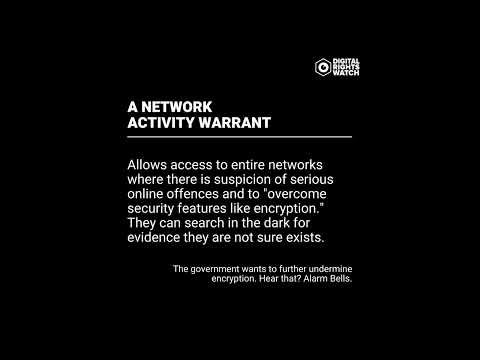
What You Need To Know About the Identify & Disrupt Bill

The Australian government has new laws on the books to hack your computer, your online accounts, and just about any piece of technology and networks you come into contact with. It can happen without a warrant and without you ever knowing. That’s just the start of it. Outraged? Good.

Earlier in August, the Parliamentary Joint Committee on Intelligence and Security (PJCIS) released a report on the Surveillance Legislation Amendment (Identify and Disrupt) Bill 2020 recommending it be passed with significant changes. Most notably, they recommended narrowing the scope of the new powers introduced by the bill, by limiting the criteria for issuing new warrants, requiring approval from a superior court judge and calling for stronger oversight and review mechanisms.

The bill was passed just over a week later by both houses. Needless to say, most of the recommendations of the PJCIS report have gone ignored, similarly to the concerns previously raised by us, Human Rights Law Center and several others.

  • More info
10 August 2024

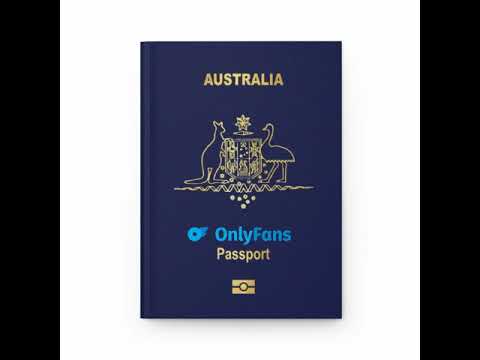
Australia's "Porn Passport"

Electronic Frontiers Australia is once again disappointed that fundamental privacy and security principles will be compromised for a quick fix to complex social and policy issues.

“’Harmful content’ is a subjective and ultimately very political catch-all which we know has been weaponised against marginalised groups,” said EFA Chair, John Pane.

EFA has been consistent in our opposition to both online age verification and to the increasing powers that the eSafety Commissioner continues to seek without transparency, oversight, disclosure of technical detail, or a disciplined and thoughtful examination of the consequences for our society.

EFA is especially concerned that while this latest move is presented as a control on access to pornography by minors, the scope and range of material that will be covered is still unspecified, and the age gating mechanism to be used is also undecided. The same people who shut down Safe Schools are pushing hardest for this, and “harmful content” under their definition can be lifesaving — it is not clearcut.

  • Read More
10 August 2024

Plastic Waste in Australia and the recycling greenwash

  • More info